

How to become a
stewardess
in yachting
A realistic guide to getting your first job at sea as a stewardess.
Yachting is one of the most unique industries in the world. You’re working onboard private luxury vessels, travelling between some of the most beautiful places on earth and delivering an incredibly high level of service to guests and owners.
But despite the glamorous images people often see online, becoming a stewardess takes preparation, persistence and a willingness to work hard.
If you’re considering entering the industry, here’s a realistic breakdown of how it works.
What Does a Stewardess Actually Do?
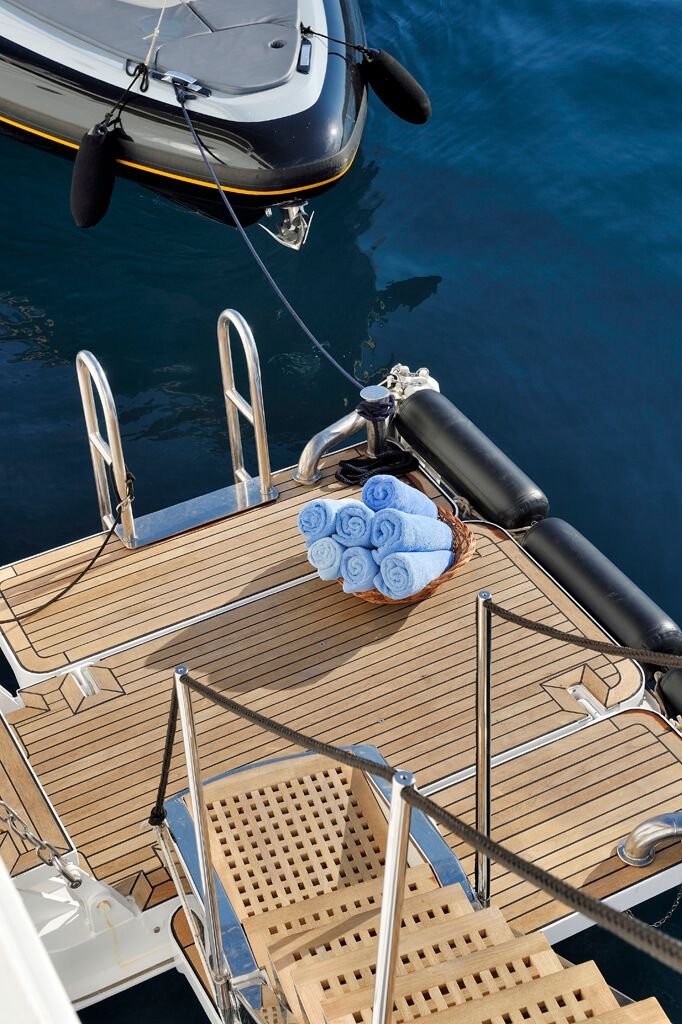
A stewardess (or stew) is part of the interior team onboard a yacht. The role focuses on hospitality, guest experience and maintaining the yacht’s interior.
Daily responsibilities often include:
• Guest service (food, drinks, hosting)
• Housekeeping and cabin turn-downs
• Laundry and wardrobe care
• Table settings and event preparation
• Cocktail making and bar service
• Supporting the chef and deck team when needed
The goal is simple: create a seamless and luxurious experience for guests onboard.
Depending on the size of the yacht, the interior team may consist of:
Chief Stewardess
Second Stewardess
Third Stewardess
Laundry Stewardess
Everyone works together to keep the interior running smoothly.
Interior Roles on a Yacht
When starting in the yachting industry, you’ll often hear terms like green stew or second stew. These refer to the different levels within the interior department, which is responsible for guest service, housekeeping and the overall guest experience onboard.
Green Stew (Junior Stewardess)
A green stew “greenie” is someone new to the industry with little or no experience. This is where most people begin. The role focuses on learning the basics such as housekeeping, laundry, cabin turn-downs and assisting with guest service while supporting the senior stews.
Stewardess / Junior Stewardess
After gaining some experience, you’ll move into a stewardess or junior stewardess role. At this level, you’ll rotate between service, housekeeping and laundry, helping with guest meals, drinks, and maintaining guest cabins.
Second Stewardess
The Second Stew works closely with the Chief Stew and often acts as their right hand. This role involves leading service, assisting with guest experiences and helping manage junior stews while ensuring interior standards are maintained.
Chief Stewardess
The Chief Stewardess manages the entire interior department. They oversee the team, plan guest service and events, manage provisioning and inventory and ensure guests have a seamless experience onboard.
Now let’s get into how we get there.

Step 1: Complete Your STCW
The first requirement for working on a yacht is the STCW certification.
This is the basic safety training required for anyone working at sea.
The course covers:
• Fire safety
• First aid
• Personal survival techniques
• Personal safety and social responsibility
Most people complete their STCW in major yachting hubs such as:
Antibes (France)
Palma de Mallorca (Spain)
Fort Lauderdale (USA)
The course usually takes 5 days to complete.
Refer to the Yachting Guide here for more information.

Step 2: Obtain an ENG1 Medical
Before you can work onboard, you must pass a seafarer medical examination known as the ENG1.
This confirms that you are medically fit to work at sea.
The exam checks things like:
Vision
Hearing
General health
Fitness to work onboard
It’s a straightforward process and is required for most crew positions.
Step 3: Create a Strong Yachting CV
Your CV is extremely important in this industry.
Yacht captains and recruiters look for candidates who already have (but not essential) experience in hospitality, service, an extra skill or customer-facing roles.
Useful backgrounds include:
• Hotels
• Restaurants
• Airlines
• Luxury retail
• Event service
• Housekeeping
Extra Skills are also a major benefit to differentiate yourself from others. For example Hairdressing, Nurse, Spa, Masseuse, Nanny etc
Make sure your CV highlights:
Attention to detail
Service experience
Work ethic
Professional presentation
Yachting CVs are usually one to two pages and include a clear photo.
Step 4: Register with Crew Agencies
Crew agencies help match crew with yachts looking to hire.
Some of the main agencies include:
• YPI Crew
https://www.ypicrew.com
• Bluewater
https://www.bluewatercrew.com
• Hill Robinson
https://www.hillrobinson.com
•The Crew Network
https://www.crew-network.com
•Rooster Recruitment
https://www.roosterrecruitment.com/
Once registered, you can apply for positions or be contacted by recruiters when a suitable job appears.
There are also loads of facebook groups where you can find active jobs and network. Link here
Step 5: Dock Walking
Dock walking is a traditional way of finding work in yachting although it is not as common now but still a great way to network with boats.
This involves walking around marinas where yachts are docked and politely asking if they are looking for crew.
It’s still common in major yachting hubs such as:
• Antibes
• Palma de Mallorca
• Fort Lauderdale
Dress professionally. First impressions matter, especially in the yachting industry.
Bring printed CVs. Tip: consider putting your CV on a QR code and handing this out to boats. It’s more discreet and allows crew to easily view your details on their phone.
Be polite and confident. Introduce yourself clearly and keep your approach friendly and professional.
Accept rejection with grace. Not every boat will be hiring, so stay positive and thank them for their time.
Sometimes it leads to a job. Sometimes it leads to day work, which can often turn into permanent positions.
“This is how I got my first bit of day work at the Monaco Grand Prix for 3 days” - Capre

Step 6: Day Work
Many people start their yachting career with day work.
Day work means temporary work onboard yachts for a day or a few days.
Tasks might include:
• Cleaning
• Polishing
• Laundry
• Helping the interior team prepare for charter
It’s a great way to:
Gain experience
Build connections
Prove your work ethic
Many permanent crew positions begin this way.
What Life as a Stewardess is Really Like
Working on yachts can be incredibly rewarding, but it’s important to understand the reality.
Days are long, often 12–16 hours during charter. You live and work in close quarters with your crew and are always representing the yacht professionally.
But in return, you gain experiences that are difficult to find in any other industry.
You travel to incredible places, develop strong friendships with your crew, make great pay and build skills in hospitality, organisation and leadership.
For many people, it becomes much more than just a job, it becomes a lifestyle.
Final Advice
If you’re considering yachting, go in with an open mind and a strong work ethic.
The industry is small and reputation matters. Being reliable, kind and hardworking will take you far.
You may start with small roles, but if you’re willing to learn and show up consistently, there are huge opportunities to grow within the industry.
And if you’re someone who loves travel, fast-paced environments and working with people yachting might just be the adventure you’re looking for.
“I started in this industry as a greenie with no service experience and have worked my way up to Second Stewardess with an amazing team around me.
If you have any questions about getting into the industry, or topics you’d like us to share from our own experiences onboard, we’d love to hear from you. This space is for all of us navigating life in motion together.” — Capre